- New


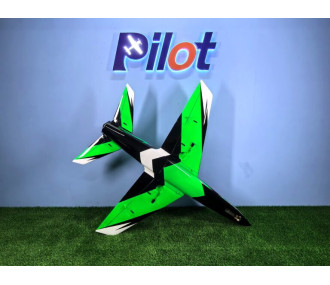

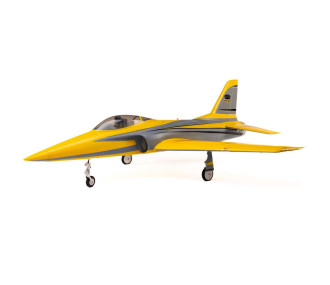
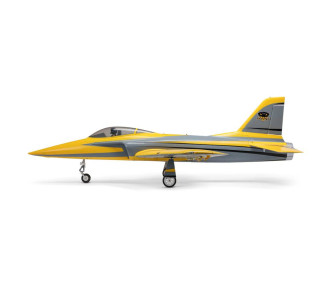
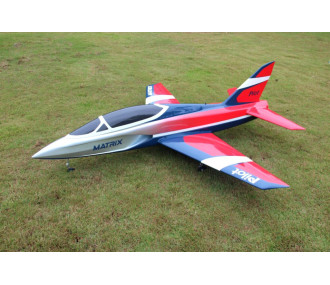
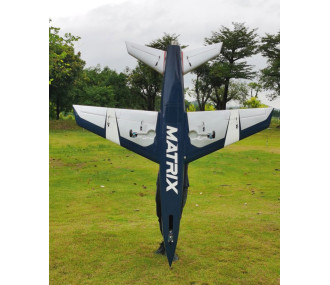
The Pilot-RC Matrix 2.4 m is a next-generation composite RC jet, developed to combine sport performance, 3D aerobatics, and ease of use. Its lightweight 2.24 m wingspan airframe features tool-free removable wings and stabilizer, as well as a fuselage that separates into two parts. This version is equipped with electric retractable landing gear and a standard nozzle.
The Pilot-RC Matrix 2.4 m ushers in a new generation of sport jets from Pilot-RC. Developed from several prototypes built and tested during 2025, it aims for a particularly interesting balance between presence in flight, performance, aerobatic capability, and ease of transport.
With its 2.24 m wingspan and 2.45 m length, the Matrix is large enough to offer excellent visibility and strong presence in flight, while still maintaining dimensions that are easier to manage than those of large competition jets.
Its fuselage, made entirely of composite materials, has been designed to minimize weight without sacrificing the rigidity required for sport flying and 3D aerobatics. Pilot-RC indicates a weight of about 13.1 kg with a JetCat P220 turbine and vector thrust nozzle. The final weight of this non-vector version will naturally depend on the turbine and equipment installed.
The Matrix 2.4 m is designed to fly with turbines between 140 and 190 N for sport flying. Pilot-RC also foresees turbines from 210 to 260 N for 3D setups equipped with vector thrust, a system not present on the version offered here.
Its aerodynamic design allows for combined use of flaps and ailerons. This mixing increases roll efficiency and produces axial rotations, while maintaining a single servo per aileron.
The model is aimed at pilots looking for a jet capable of performing fast flybys, large aerobatic maneuvers, low speed flying, and 3D maneuvers, without necessarily requiring a vector thrust setup.
The extremely lightweight fuselage is made entirely of composite materials. The paint scheme is applied on the outside of the mold, resulting in a uniform finish without visible seam lines.
The wings are joined by carbon tubes. The fiberglass control horns are already installed and painted. The linkages are prepared with ball joints to reduce the work needed when fitting out the jet.
A large mounting tray makes for clean, organized installation of the electronics. Much of the wiring can be hidden inside the fuselage, while dedicated passages are already provided for the stabilizer and rudder servo extensions.
The Matrix benefits from Pilot-RC's quick assembly system:
This architecture is a real advantage for a jet 2.45 m long. It reduces the space needed in your vehicle and greatly speeds up preparation at the field.
This version comes with an electric retractable landing gear specially developed for the Matrix 2.4 m. The system includes the struts, wheels with brakes, nosewheel steering, and associated mounting accessories.
The flexible carbon plates for the gear help absorb shocks during taxiing and landing.
The model offered by Flash RC is equipped with a standard nozzle. It does not include the vector thrust system.
This configuration is simpler to install and requires two fewer servos than the vector version. It is particularly suitable for versatile sport flying with a 140 to 190 N turbine.
Pilot-RC recommends the following servos:
The non-vector thrust configuration therefore requires eight servos in total, not including any additional functions the pilot may wish to add.
The kit includes in particular:
To complete the Matrix 2.4 m, you will need in particular:
The turbine, onboard electronics, and radio equipment are not included.
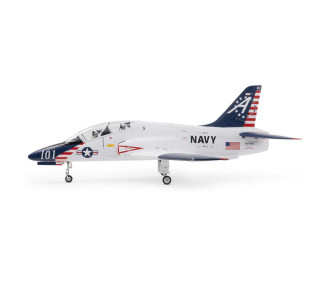
The Pilot-RC Matrix 2.4 m is a next-generation composite RC jet, developed to combine sport performance, 3D aerobatics, and ease of use. Its lightweight 2.24 m wingspan airframe features tool-free removable wings and stabilizer, as well as a fuselage that separates into two parts. This version is equipped with electric retractable landing gear and a standard nozzle.